
NEWS CENTER
Understanding LED Panel Lights: A Comprehensive Guide for Professionals
Mar 20,2026
LED panel lights represent a significant advancement in lighting technology, particularly in the realm of energy efficiency and design. These flat, rectangular or square fixtures are designed to provide uniform illumination while enhancing the aesthetic appeal of indoor spaces. Here, we will cover the essential features, benefits, and applications of LED panel lights, making it easier for professionals to integrate them into their projects.
One of the primary advantages of LED panel lights is their exceptional energy efficiency. Compared to traditional fluorescent fixtures, LED panels consume significantly less power while delivering the same, if not better, quality of light. This efficiency not only reduces electricity costs but also contributes to a lower carbon footprint, making LED panel lights an environmentally friendly choice. With a lifespan that often exceeds 50,000 hours, these lights also reduce the frequency and cost of replacements.
In terms of design, LED panel lights offer versatility that appeals to various professional environments. They can be easily recessed into ceilings, providing a sleek and modern look that is particularly desirable in offices, conference rooms, and retail spaces. Additionally, they come in various shapes, sizes, and color temperatures, allowing professionals to select options that best suit the specific ambiance required for each space.
The light output of LED panel lights is another critical consideration. Many models provide adjustable brightness and color temperature settings, enabling users to create the perfect lighting scenario for any activity, be it focused work, relaxation, or social gatherings. The ability to customize lighting conditions can enhance productivity and comfort in workplace settings.
Moreover, the reduced glare and flicker-free operation of LED panel lights contribute to improved visual comfort, making them ideal for environments where prolonged exposure to artificial light is common. This is particularly important in spaces such as schools, hospitals, and offices, where the well-being of occupants is a priority.
Installation and maintenance of LED panel lights are also straightforward. Many panels are designed for easy retrofitting into existing fixtures, minimizing disruption during upgrades. The low maintenance requirement further amplifies their appeal, as professionals can focus on their core tasks without the constant worry of lighting failures.
In conclusion, LED panel lights stand out as a leading choice in modern lighting solutions due to their energy efficiency, aesthetic versatility, and user-friendly features. Professionals across various industries can benefit from their implementation, creating inviting and productive environments that meet the demands of today's dynamic workspaces. Understanding the unique attributes of LED panel lights can empower decision-makers to make informed choices that enhance both functionality and design in their projects.
One of the primary advantages of LED panel lights is their exceptional energy efficiency. Compared to traditional fluorescent fixtures, LED panels consume significantly less power while delivering the same, if not better, quality of light. This efficiency not only reduces electricity costs but also contributes to a lower carbon footprint, making LED panel lights an environmentally friendly choice. With a lifespan that often exceeds 50,000 hours, these lights also reduce the frequency and cost of replacements.
In terms of design, LED panel lights offer versatility that appeals to various professional environments. They can be easily recessed into ceilings, providing a sleek and modern look that is particularly desirable in offices, conference rooms, and retail spaces. Additionally, they come in various shapes, sizes, and color temperatures, allowing professionals to select options that best suit the specific ambiance required for each space.
The light output of LED panel lights is another critical consideration. Many models provide adjustable brightness and color temperature settings, enabling users to create the perfect lighting scenario for any activity, be it focused work, relaxation, or social gatherings. The ability to customize lighting conditions can enhance productivity and comfort in workplace settings.
Moreover, the reduced glare and flicker-free operation of LED panel lights contribute to improved visual comfort, making them ideal for environments where prolonged exposure to artificial light is common. This is particularly important in spaces such as schools, hospitals, and offices, where the well-being of occupants is a priority.
Installation and maintenance of LED panel lights are also straightforward. Many panels are designed for easy retrofitting into existing fixtures, minimizing disruption during upgrades. The low maintenance requirement further amplifies their appeal, as professionals can focus on their core tasks without the constant worry of lighting failures.
In conclusion, LED panel lights stand out as a leading choice in modern lighting solutions due to their energy efficiency, aesthetic versatility, and user-friendly features. Professionals across various industries can benefit from their implementation, creating inviting and productive environments that meet the demands of today's dynamic workspaces. Understanding the unique attributes of LED panel lights can empower decision-makers to make informed choices that enhance both functionality and design in their projects.
Related News
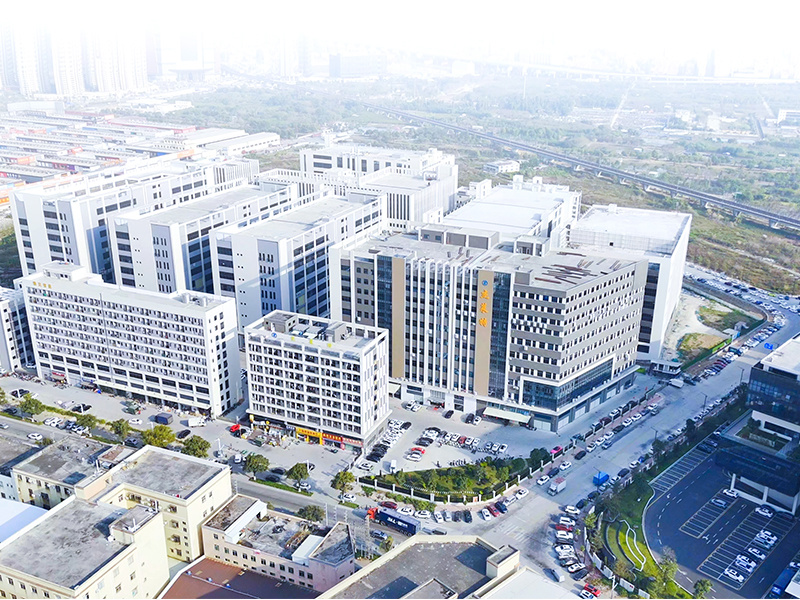

We adhere to the spirit of rigor, efficiency, integrity, pragmatism, humility, and unity, and strive to become active advocates of global green and energy-saving lighting products. While providing good lighting products and establishing a good lighting brand, we also pay more attention to customer interests and global environmental issues. ...
CONTACT US
ONLINE MESSAGE